

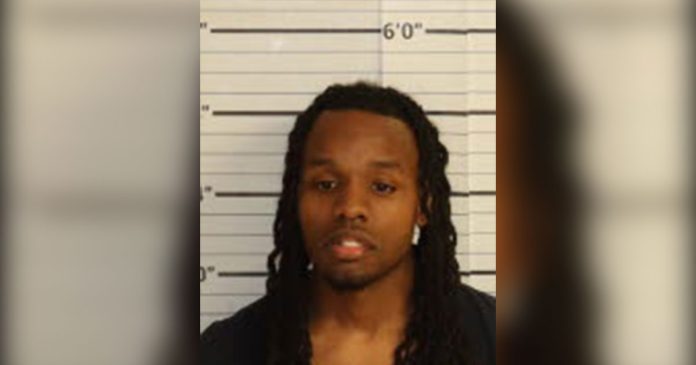

EAST MEMPHIS, TN — A Memphis man is facing voluntary manslaughter charges following the fatal shooting of an intruder who broke into his apartment in the early morning hours. The incident has raised significant questions about self-defense, legal boundaries, and the risks of making statements to police without legal counsel.
According to court documents and statements made to police, 30-year-old Marques Griffin was awakened around 2:30 a.m. by strange noises inside his apartment on Robin Hood Lane. Investigators say Griffin found a man inside his living room who had entered through a broken window. Griffin confronted the intruder, who reportedly said, “I didn’t know anyone lived here.”
Griffin, a legal gun owner, was armed with his registered handgun. He told police that the man walked out of the apartment through the front door after their brief confrontation. Griffin then followed him outside, where he claims the man appeared to reach toward his waistband — leading him to believe the intruder might be armed. Griffin fired three rounds at close range, striking the man fatally.
No information has yet been released confirming whether the intruder had a weapon. However, Griffin told investigators at the scene that he fired the shots as the man was running away — a detail that prosecutors appear to have used in filing voluntary manslaughter charges.
Griffin, who has no prior criminal history and is a longtime FedEx employee, has since been suspended from his job pending the outcome of the case. He is a single father and is currently raising funds for legal expenses.
The case highlights a critical issue in self-defense law: while an armed response to a home intrusion can be justified, the justification may not extend to using deadly force once the threat has ended — particularly if the suspect is fleeing. Equally important is the risk of making full statements to law enforcement immediately after a traumatic incident without legal representation, which can inadvertently harm a self-defense claim.
Anyone who carries for self-defense should understand the legal ramifications of their actions, especially in high-stress scenarios. Organizations like CCW Safe provide legal support and critical advice for armed citizens in the aftermath of a defensive shooting. Knowing when to speak — and when not to — can be as crucial as knowing when to act.
Read the full article here